

The monsoon season brings welcome relief from the summer heat, but it also creates the perfect environment for skin problems. High humidity, sweat, damp clothes, fungal growth, and increased pollution can trigger monsoon skin allergies in people of all ages. Young adults, college students, and working professionals are especially vulnerable because they spend long hours outdoors, travel in crowded public transport, and are frequently exposed to rainwater and polluted environments.
Many people mistake the early signs of monsoon skin allergies for simple rashes or temporary irritation. Ignoring these symptoms can make the condition worse, leading to infections, pigmentation, and long-term skin damage. Understanding the warning signs and seeking timely care can help you protect your skin throughout the rainy season.
Why Do Monsoon Skin Allergies Increase During the Rainy Season?
The combination of moisture, heat, and bacteria creates the ideal environment for skin irritation. During the rainy season, sweat does not evaporate easily because of high humidity. This traps dirt, oil, and bacteria on the skin, increasing the risk of monsoon skin allergies.
Common causes include:
- Excessive sweating
- Fungal and bacterial infections
- Polluted rainwater
- Wet clothing for prolonged periods
- Dust mites and environmental allergens
- Poor skin hygiene during humid weather
People with sensitive skin, eczema, acne-prone skin, or allergies are even more likely to develop monsoon skin allergies during this season.
Early Symptoms You Should Never Ignore
Many individuals wait until the allergy becomes severe before consulting a skin specialist. However, early treatment helps prevent complications and speeds up recovery.
Persistent Itching
Itching is often the first sign of monsoon skin allergies. If your skin feels itchy even after bathing or moisturizing, it may indicate an allergic reaction or fungal infection rather than simple dryness.
Red Rashes
Small red patches that spread across the arms, neck, face, or legs should not be ignored. These rashes may worsen after sweating or coming into contact with damp clothing.
Burning or Stinging Sensation
If your skin burns after applying skincare products or after exposure to rainwater, it could be a symptom of irritated skin caused by monsoon skin allergies.
Swelling
Swollen skin around the eyes, lips, or cheeks may indicate an allergic response that requires immediate medical attention.
Dry, Flaky Skin
Although humidity is high, many people experience damaged skin barriers during the rainy season. Dry patches combined with redness may signal an allergy rather than dehydration.
Areas Most Commonly Affected
Certain parts of the body are more prone to irritation because they retain moisture for longer periods.
These include:
- Face
- Neck
- Underarms
- Hands
- Feet
- Behind the knees
- Inner thighs
These areas experience more sweating and friction, making them common sites for monsoon skin allergies.
Who Is at Higher Risk?
While anyone can develop monsoon skin allergies, some groups are more susceptible.
Young adults who travel daily, gym enthusiasts, outdoor workers, students, and people with oily or sensitive skin often experience frequent flare-ups. Individuals already dealing with acne, eczema, or dermatitis should be particularly cautious because the rainy season can aggravate existing skin conditions.
Can Allergies Trigger Other Skin Problems?
Yes. Ignoring allergic reactions often creates additional skin concerns.
Constant scratching may cause skin infections and dark spots. Excess oil production during humid weather can clog pores, increasing the chances of breakouts that may require professional acne treatment. Some allergies also leave stubborn pigmentation after healing, making early diagnosis extremely important.
Proper skincare and timely medical consultation help reduce the risk of permanent skin damage.
Effective Ways to Prevent Monsoon Skin Allergies
Prevention is always easier than treatment. A few healthy habits can significantly reduce your chances of developing monsoon skin allergies.
Wash your face twice daily using a gentle cleanser suitable for your skin type. Change wet clothes immediately after getting caught in the rain and avoid sharing towels or personal skincare products. Drink enough water to keep your skin hydrated from within, and choose lightweight, non-comedogenic moisturizers instead of heavy creams.
Applying sunscreen remains important even during cloudy weather because harmful UV rays penetrate through clouds and contribute to pigmentation and skin damage.
Regular dermatologist-recommended skin treatments can also help strengthen the skin barrier and reduce seasonal flare-ups.
Professional Treatments That Can Help
When home remedies fail to provide relief, professional care becomes essential. Dermatologists evaluate the exact cause of the allergy before recommending personalized treatment.
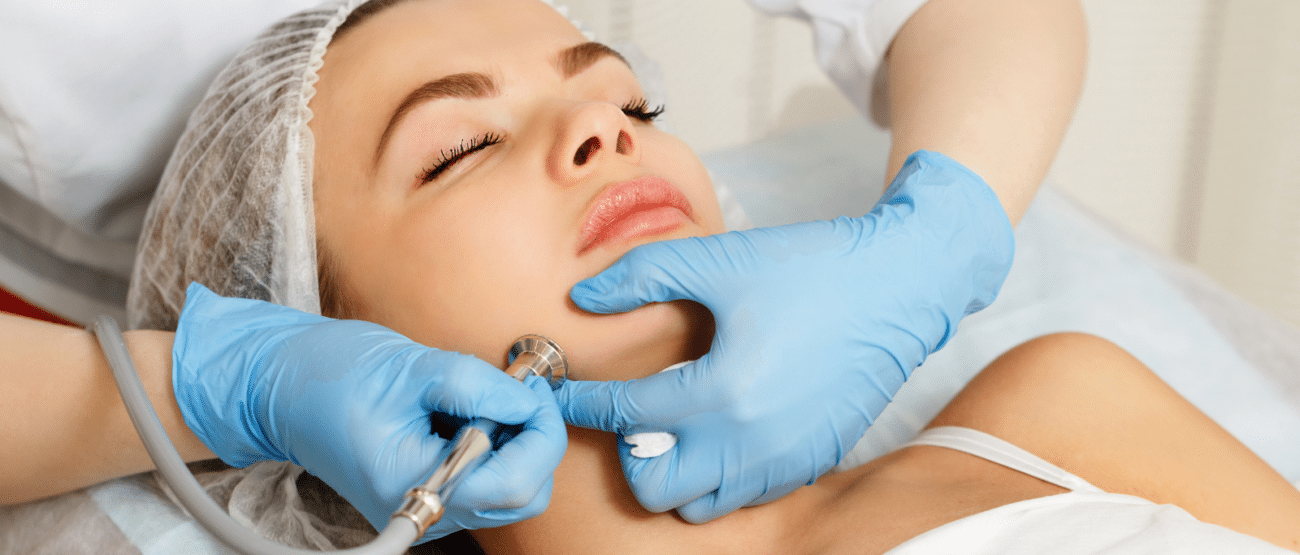
A soothing medifacial treatment can deeply cleanse the skin, remove impurities, and calm inflammation caused by seasonal irritation without damaging the skin barrier.
If allergies have left acne scars or uneven texture after healing, dermaroller treatment may be recommended to improve skin renewal and stimulate collagen production over time.
For individuals experiencing dullness, tanning, or superficial pigmentation after recurrent allergies, chemical peel treatment can gently exfoliate damaged skin and encourage healthier skin regeneration.
People dealing with persistent dark patches caused by post-inflammatory pigmentation may benefit from laser pigmentation treatment, which targets excess melanin while preserving the surrounding healthy skin.
Treatment recommendations always depend on your skin type, allergy severity, and medical history.
When Should You Visit a Dermatologist?
You should seek professional care if your symptoms last more than a few days, continue spreading, or keep returning every monsoon season.
Consult a dermatologist immediately if you experience:
- Severe itching that disrupts daily life
- Painful swelling
- Pus-filled rashes
- Skin peeling
- Fever along with skin irritation
- Allergic reactions affecting the eyes or lips
Early diagnosis prevents complications and allows faster recovery.
Why Timely Treatment Makes a Difference
Many young people rely on social media skincare hacks or over-the-counter creams without knowing the exact cause of their skin problem. Unfortunately, self-medication often worsens monsoon skin allergies by delaying proper diagnosis.
Professional evaluation helps identify whether the condition is caused by allergies, fungal infections, bacterial infections, eczema, or another skin disorder. Treating the root cause instead of simply managing symptoms leads to better and longer-lasting results.
At Adore Skin Clinic, experienced dermatologists focus on identifying the underlying cause of seasonal skin concerns and recommending customized treatment plans suited to individual skin types.
Final Thoughts
The rainy season should be about enjoying the weather, not dealing with uncomfortable skin problems. Recognizing the early signs of monsoon skin allergies can help you avoid infections, pigmentation, and long-term skin damage. Whether it’s persistent itching, unexplained rashes, or recurring irritation, seeking timely medical advice is the smartest step toward healthier skin.
Healthy skincare habits, professional guidance, and the right treatment approach can keep your skin protected throughout the season. If you’re experiencing symptoms that aren’t improving, don’t ignore them. Visit Adore Skin Clinic for expert evaluation and personalized care. Don’t let seasonal allergies affect your confidence. Contact us today to schedule your consultation and receive expert treatment for healthy, clear skin in Andheri.