

The rainy season brings cooler weather, fresh greenery, and relief from the summer heat. However, it also brings one of the most common skincare concerns among teenagers and young adults, monsoon acne. If you notice more pimples, oily skin, or stubborn breakouts during the rainy season, you’re not alone.
Higher humidity, sweat, pollution, and excess oil production create the perfect environment for clogged pores and acne-causing bacteria. The good news is that with the right skincare routine and timely professional care, you can keep your skin healthy and glowing throughout the season.
In this guide, we’ll explain why monsoon acne happens, how to prevent it, and when it’s time to seek professional help.
Why Does Monsoon Acne Increase During the Rainy Season?
The biggest reason behind monsoon acne is increased humidity. During monsoon, the moisture in the air causes your skin to produce more sebum (natural oil). When this excess oil mixes with sweat, dirt, dead skin cells, and pollution, your pores become clogged.
Once pores are blocked, bacteria multiply quickly, leading to whiteheads, blackheads, painful pimples, and inflamed acne.
People with oily and combination skin usually experience more severe monsoon acne, but even dry skin can develop unexpected breakouts if proper skincare isn’t followed.
Common Causes of Monsoon Acne
Several factors work together to trigger monsoon acne during the rainy season.
Excess humidity increases oil production and leaves the skin feeling sticky. Sweat remains trapped on the skin for longer periods, especially if you wear makeup or sunscreen without cleansing properly. Dirty pillow covers, touching your face frequently, and wearing helmets or masks for long hours can also contribute to clogged pores.
Another common mistake is using heavy creams that block pores instead of lightweight moisturizers designed for humid weather.
Signs That Your Acne Is Caused by Monsoon Weather
Not every breakout is seasonal, but certain signs clearly indicate monsoon acne.
You may notice:
- Small pimples appearing suddenly
- Increased oiliness throughout the day
- Whiteheads and blackheads around the nose and forehead
- Painful acne on the cheeks and chin
- Skin looking dull despite regular cleansing
Ignoring these early signs can lead to deeper breakouts and eventually an acne scar that may take months to fade.
Daily Skincare Routine to Prevent Monsoon Acne
Preventing monsoon acne starts with consistency rather than expensive products.
Cleanse your face twice daily using a gentle cleanser suitable for acne-prone skin. Avoid harsh scrubs because they may increase irritation and inflammation.
Always use a lightweight, non-comedogenic moisturizer. Many people skip moisturizer during monsoon because their skin feels oily, but dehydrated skin actually produces even more oil.
Sunscreen is equally important. UV rays penetrate clouds and can worsen pigmentation after acne heals. Choose a gel-based sunscreen that feels light on the skin.
If you wear makeup, remove it completely before sleeping. Sleeping with makeup is one of the fastest ways to develop clogged pores and recurring breakouts.
Lifestyle Habits That Make a Difference
Healthy skin starts from within.
Drink enough water even if you don’t feel thirsty during the rainy season. Staying hydrated helps maintain your skin barrier.
Reduce sugary snacks, fried foods, and excessive dairy if you notice they trigger breakouts. Instead, include fresh fruits, vegetables, nuts, and protein-rich foods in your daily diet.
Avoid touching or popping pimples. Squeezing acne not only increases inflammation but also raises the risk of permanent acne scar formation and uneven skin texture.
Changing pillow covers regularly and cleaning your phone screen are small habits that can significantly reduce bacterial buildup.
Professional Acne Treatment Options
Sometimes home remedies aren’t enough. If your breakouts become painful, frequent, or leave marks behind, professional acne treatment can help control the condition before it worsens.
Dermatologists evaluate your skin type, identify the root cause, and recommend personalized solutions instead of temporary fixes.
Professional treatments help reduce inflammation, control oil production, clear clogged pores, and minimize future breakouts more effectively than over-the-counter products.
Medifacial for Healthy Monsoon Skin
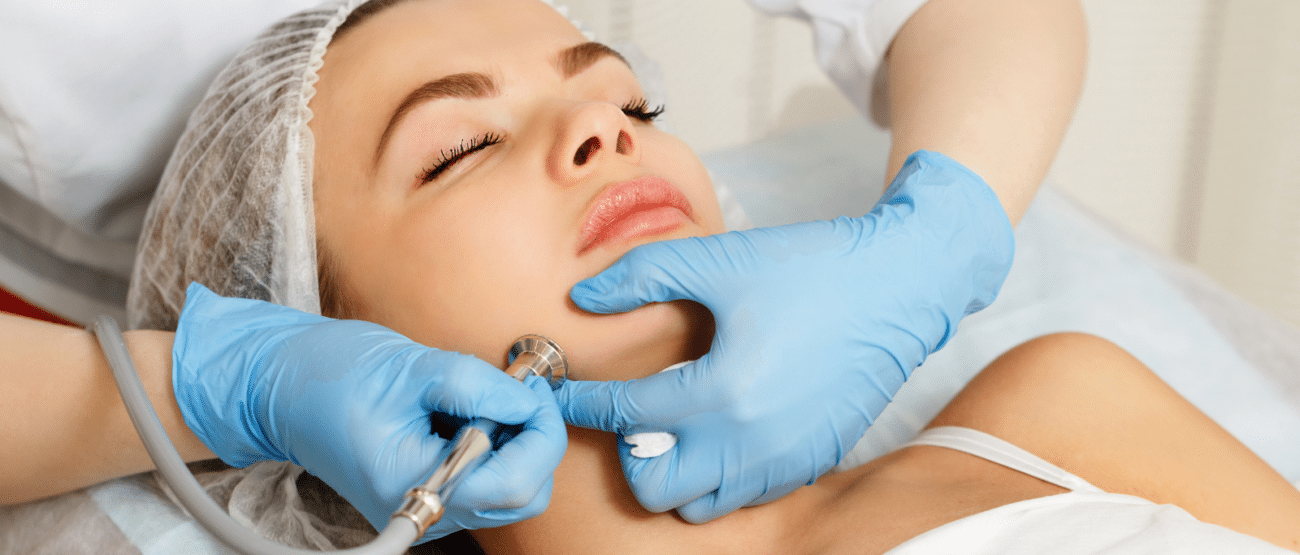
A professionally performed medifacial is an excellent option for maintaining healthy skin during the rainy season.
Unlike regular salon facials, a medical facial is customized according to your skin condition. It deeply cleanses pores, removes impurities, hydrates the skin, and improves overall skin health without causing unnecessary irritation.
Regular sessions can help reduce congestion while improving skin texture and maintaining a healthy glow throughout the season.
Can Hydrafacial Help With Monsoon Acne?
Many people wonder whether hydrafacial is suitable during monsoon.
The answer depends on your skin condition. A dermatologist may recommend a customized Hydrafacial if your skin needs deep cleansing, hydration, and gentle exfoliation without aggressive treatments.
It helps remove impurities, excess oil, and dead skin cells while improving hydration levels. This balanced approach supports healthier skin and reduces the chances of recurring breakouts when performed under professional supervision.
Treating Acne Marks and Pigmentation
Even after pimples disappear, they often leave behind dark spots and uneven skin tone.
This post-inflammatory pigmentation is common among people who pick at their acne or delay treatment. The longer acne remains inflamed, the greater the chance of long-lasting marks.
Modern dermatology offers effective solutions for reducing pigmentation and improving skin clarity. Early intervention also lowers the chances of developing a permanent acne scar, making timely treatment an important part of skincare.
Don’t Ignore Hair Care During Monsoon
Many people don’t realize that oily scalp conditions can also contribute to facial breakouts.
Following proper monsoon hair care tips such as washing your hair regularly, avoiding heavy styling products, and keeping hair away from your face can reduce the transfer of excess oil and dirt onto your skin.
If your forehead acne worsens during rainy weather, improving your hair care routine may make a noticeable difference.
When Should You Visit a Skin Specialist?
If your pimples continue for several weeks despite maintaining a good skincare routine, it’s time to seek professional advice.
You should consult a dermatologist if:
- Acne becomes painful or cystic.
- Breakouts return repeatedly.
- Pimples leave dark spots or scars.
- Over-the-counter products are not helping.
- Acne is affecting your confidence.
Early diagnosis helps prevent long-term skin damage while improving treatment results.
At adore skin clinic, experienced skin specialists create personalized treatment plans based on your skin type and concerns instead of using a one-size-fits-all approach.
Final Thoughts
The rainy season doesn’t have to mean constant breakouts. Understanding the causes of monsoon acne, following a consistent skincare routine, eating healthy, and seeking timely professional care can keep your skin clear and confident throughout the season.
Whether you’re dealing with occasional pimples, stubborn breakouts, pigmentation, or concerns about an acne scar, early care always delivers better results than waiting for the problem to become severe.
If you’re looking for personalized skincare solutions, the experts at adore skin clinic are here to help. Contact us today to schedule your consultation and take the first step toward healthier, clearer skin.