PRP Hair Regrowth Treatment in Mumbai
Are you struggling with hair thinning or hair loss? Looking for an effective, natural, and long-lasting solution to restore your hair’s thickness and vitality? At Adore Skin Clinic, we offer advanced Hair PRP Treatment in Andheri, Mumbai, designed to help you achieve healthier, stronger hair and boost your confidence.
What is Hair PRP Treatment?
Hair PRP Treatment (Platelet-Rich Plasma Therapy) is a revolutionary, non-surgical hair restoration procedure that harnesses your body’s natural growth factors to stimulate hair regrowth. This cutting-edge treatment is highly effective in reducing hair loss, improving hair density, and rejuvenating the scalp. It is an ideal solution for both men and women looking to restore their natural hair.
How Does Hair PRP Treatment Work?
Our Hair PRP involves three simple steps:
- Blood Collection: A small amount of your blood is drawn from your arm.
- PRP Preparation: The collected blood is processed in a centrifuge to separate the platelet-rich plasma, which is rich in growth factors.
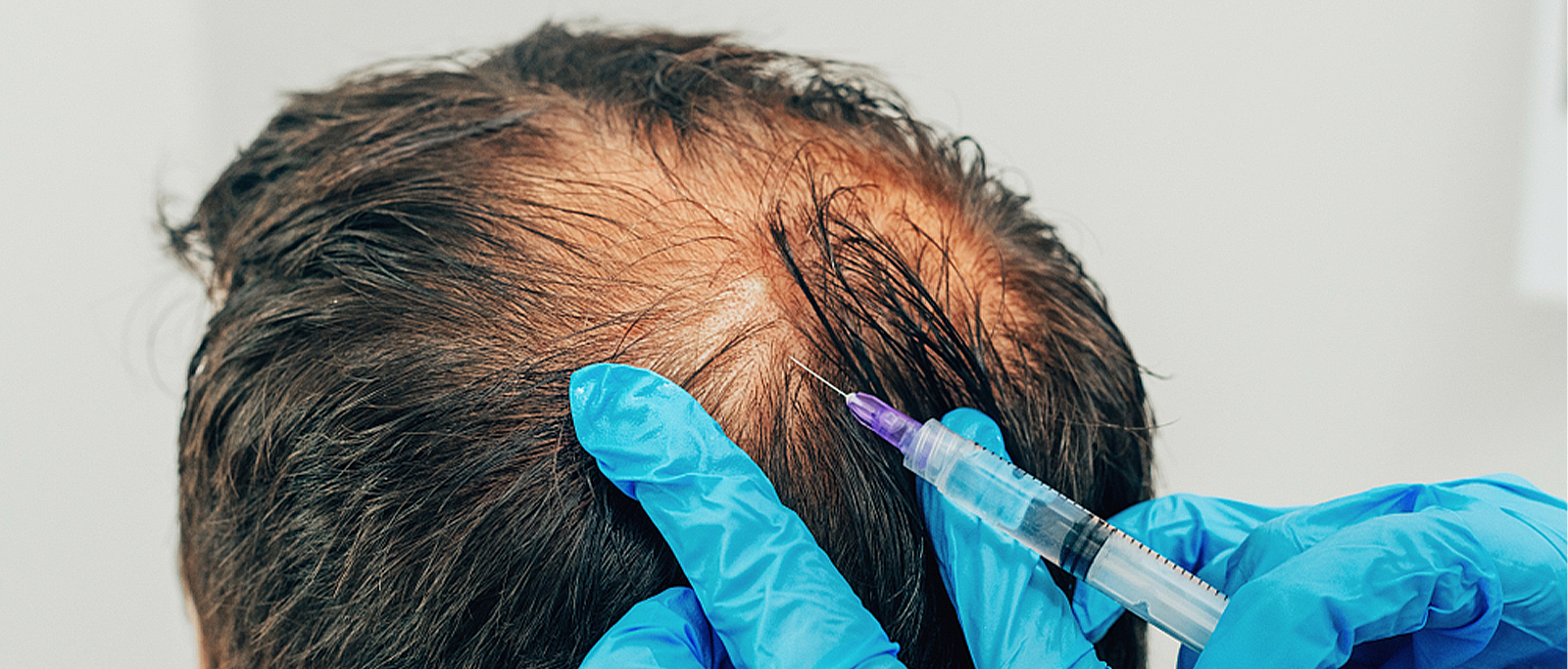
- Scalp Injection: The PRP is carefully injected into areas of the scalp experiencing hair thinning or hair loss. The growth factors stimulate hair follicles, promoting natural hair regrowth and strengthening existing hair.
Benefits of Hair PRP
- Stimulates Natural Hair Growth – Encourages the regeneration of hair follicles.
- Reduces Hair Fall – Strengthens weak hair follicles and prevents excessive shedding.
- Increases Hair Density – Promotes thicker and healthier hair strands.
- Non-Surgical & Safe – A minimally invasive procedure with no downtime.
- Long-Lasting Results – Continuous hair improvement over time with regular sessions.
Why Choose Hair PRP Treatment at Adore Skin Clinic?
At Adore Skin, Hair, & Laser Clinic, we believe in providing the best hair restoration solutions tailored to individual needs. Here’s why we are the best choice for hair PRP:
- Experienced Dermatologists – Our skilled experts have years of experience in performing PRP procedures.
- Advanced PRP Technology – We use high-quality centrifuges and advanced PRP kits to ensure maximum efficacy.
- Customized Treatment Plans – Every patient is unique, and we tailor the PRP sessions to achieve the best results.
- Safe & Hygienic Environment – Our clinic follows strict safety and hygiene protocols for your comfort and well-being.
- Affordable Pricing – Get the best Hair PRP at competitive rates in Mumbai.
What to Expect After Hair PRP ?
Results from Hair PRP are based on individual hair conditions. Typically:
- Reduced hair fall can be observed within the first few weeks.
- Visible improvement in hair thickness and density is noticeable after 3 to 6 months.
- For optimal results, multiple sessions (usually 3-6) are recommended at regular intervals.
- Combining PRP with a healthy lifestyle and proper hair care enhances effectiveness.
Other Hair Treatments We Offer
Apart from hair PRP, we also provide the top hair treatment services like hair loss treatment, GFC therapy treatment, laser hair removal treatment and hair transplant etc.
Book Your Hair PRP Treatment Today!
If you are ready to regain your hair’s natural volume and confidence, it’s time to experience the power of Hair PRP Treatment in Andheri, Mumbai. Visit Adore Skin Clinic and let our expert team help you achieve healthier, fuller hair with cutting-edge PRP therapy. Contact us or book your consultation today and take the first step towards a stunning transformation!
FAQs For Hair PRP Treatment in Andheri, Mumbai
Hair PRP treatment, or Platelet-Rich Plasma therapy, is a non-surgical hair restoration procedure where a small amount of the patient's own blood is drawn, processed in a centrifuge to concentrate the platelets, and then injected into the scalp. The growth factors in the plasma stimulate dormant hair follicles, promote new hair growth, and reduce hair fall naturally.
Yes, hair PRP treatment is safe for both men and women experiencing hair thinning, early-stage hair loss, or reduced hair density. Since it uses the patient's own blood, the risk of allergic reactions or rejection is minimal. A dermatologist will evaluate your condition before recommending the treatment.
Most patients require 3 to 6 sessions of hair PRP treatment, spaced 3 to 4 weeks apart, to achieve visible and lasting results. The exact number of sessions depends on the severity of hair loss and individual response to the treatment. Maintenance sessions every 6 to 12 months are often recommended.
Initial results, such as reduced hair fall, may be noticed within the first few weeks after hair PRP treatment. Significant improvements in hair thickness and density are typically visible after 3 to 6 months of consistent sessions. Results vary based on individual hair and scalp condition.
Hair PRP treatment involves minimal discomfort. A topical numbing cream or local anaesthetic is applied to the scalp before the injections to ensure a comfortable experience. Most patients describe the sensation as mild pressure rather than pain. The procedure is generally well-tolerated.
Hair PRP treatment uses platelet-rich plasma drawn from the patient's blood to stimulate hair follicles, while GFC (Growth Factor Concentrate) therapy is a more refined process that extracts a higher concentration of specific growth factors. GFC is considered a newer advancement with potentially more potent results, but both are effective non-surgical hair restoration options.
Results from hair PRP treatment can last anywhere from 12 to 18 months, depending on the individual's hair condition, lifestyle, and whether maintenance sessions are followed. Combining the treatment with a healthy diet, proper scalp care, and recommended follow-up sessions helps sustain results for a longer period.
Hair PRP treatment is considered very safe with minimal side effects. Some patients may experience mild redness, swelling, or tenderness at the injection sites immediately after the session, which typically subsides within 24 to 48 hours. Since the procedure uses the patient's own blood, the risk of infection or allergic reactions is extremely low.
Hair PRP treatment significantly reduces hair fall by strengthening weak hair follicles and stimulating regrowth. While it may not permanently stop hair fall for all patients, regular sessions combined with a proper hair care routine can substantially control shedding and improve overall hair health over time.
Hair PRP treatment is a non-surgical, minimally invasive procedure that stimulates existing hair follicles using growth factors from the patient's blood. A hair transplant, on the other hand, is a surgical procedure that physically relocates hair follicles from one area to another. PRP is ideal for early to moderate hair loss, while transplant is recommended for advanced baldness.
Before the session, patients are advised to stay well hydrated, avoid alcohol and smoking for at least 24 hours, and inform the doctor about any medications being taken. After the treatment, avoid washing the scalp for at least 8 hours, refrain from heavy exercise for 24 hours, and avoid direct sun exposure. Following post-care instructions is key to optimal results.
Yes, hair PRP treatment can be effectively combined with other hair restoration approaches such as mesotherapy, GFC therapy, hair loss medications like minoxidil or finasteride, or even hair transplant procedures for enhanced results. A dermatologist will design a combination treatment plan based on the severity and type of hair loss.
The cost of hair PRP treatment in Mumbai varies depending on the clinic, the number of sessions required, and the technology used. Prices generally range between Rs. 3,000 to Rs. 8,000 per session. It is recommended to consult with a qualified dermatologist who can assess your condition and provide a customised treatment plan with transparent pricing.
Hair PRP treatment has shown positive results in patients with alopecia areata, an autoimmune condition that causes patchy hair loss. The growth factors in PRP help stimulate dormant follicles and reduce inflammation in affected areas. However, its effectiveness may vary depending on the severity of the condition, and it is often used as part of a broader treatment plan.