

If your skin behaves perfectly fine for most of the year but suddenly breaks out the moment the rains begin, you’re far from alone. Monsoon acne is one of the most common complaints dermatologists hear during the rainy season in Mumbai. Patients who rarely had skin issues in winter or summer often walk in confused and frustrated, wondering what changed.
The truth is, monsoon creates a very specific combination of humidity, moisture, and pollution that actively encourages breakouts. At Adore Skin Clinic, Andheri, Dr. Madhavi Valvi and her team see a noticeable spike in acne consultations every monsoon season. In this blog, we break down exactly why this happens and what you can do about it.
The Real Reasons Acne Gets Worse in Monsoon
1. Increased Humidity Triggers Excess Oil Production
Humidity levels shoot up during monsoon, and your skin responds by producing more sebum (oil) to compensate for the moisture in the air. This excess oil mixes with sweat, dead skin cells, and dirt, clogging pores and creating the perfect conditions for acne-causing bacteria to thrive.
2. Sweat Gets Trapped More Easily
Even though it’s raining outside, the air feels sticky and humid, which means sweat doesn’t evaporate as quickly as it does in dry weather. This trapped sweat, combined with oil, sits on the skin longer and clogs pores far more than in other seasons.
3. Rainwater Carries Pollutants and Bacteria
City rainwater isn’t clean; it picks up dust, vehicle pollutants, and bacteria on its way down. When this water touches your skin without being washed off promptly, it can irritate the skin barrier and trigger breakouts, especially along the hairline, forehead, and jawline.
4. Damp, Humid Air Promotes Bacterial and Fungal Growth
Monsoon’s damp environment isn’t just uncomfortable; it’s biologically favorable for bacteria and fungus to multiply on the skin’s surface. This is why some monsoon breakouts aren’t typical acne at all but fungal acne, which looks similar but needs a completely different treatment approach.
5. Humidity Makes Makeup and Skincare Products Sit Differently
Heavy, occlusive creams and makeup that worked fine in winter can suddenly feel clogging and greasy in monsoon humidity. Many people unknowingly continue using the same thick moisturizers or foundations, which sit on top of already-oily skin and worsen breakouts.
6. Hormonal and Lifestyle Factors Compound the Problem
Monsoon often brings disrupted sleep, increased stress, and comfort-food cravings (think fried snacks on a rainy evening). All of these factors can elevate cortisol and androgen activity, which directly fuels acne breakouts, making monsoon a season where skin, hormones, and lifestyle collide.
7. Reduced Sun Exposure Doesn’t Mean Reduced UV Damage
People tend to skip sunscreen on cloudy, rainy days, but UV rays still penetrate clouds. This unprotected exposure can worsen post-acne pigmentation and inflammation, making existing breakouts look darker and take longer to fade.
How to Treat and Prevent Monsoon Acne
Build a Monsoon-Specific Skincare Routine
The single most effective step is adjusting your daily routine for the season rather than sticking to what worked in winter. We’ve put together a complete breakdown in our blog on the Monsoon Skincare Routine Recommended by Dermatologists, it covers cleansing, exfoliation, and product choices specifically suited to rainy-season skin.
Switch to Lightweight, Non-Comedogenic Products
Replace heavy creams with gel-based, oil-free moisturizers and switch to a foaming or gel cleanser that controls oil without over-drying the skin.
Don’t Skip Professional Treatment for Active Breakouts
Home remedies can only do so much once acne becomes persistent or inflamed. Our acne treatment program at Adore Skin Clinic is designed to target active breakouts at the root, using clinically proven methods tailored to your skin type rather than generic over-the-counter fixes.
Consider Chemical Peels for Clogged Pores
If your acne is driven largely by clogged pores and excess oil, a dermatologist-administered chemical peeling treatment can deep-clean pores and reduce future breakouts far more effectively than at-home scrubs.
Address Acne Scars Before They Set In
Monsoon breakouts that are picked at or left untreated often leave behind marks and scarring. If you’re already noticing textured or pitted scars, our acne scar removal treatment and dermaroller treatment can help smooth out skin texture.
Treat Dark Spots and Pigmentation Left Behind
Acne marks that darken due to unprotected sun exposure can be stubborn to fade on their own. Our laser pigmentation treatment is a popular post-monsoon option for patients looking to even out their skin tone.
Refresh Your Skin with a Deep-Cleansing Facial
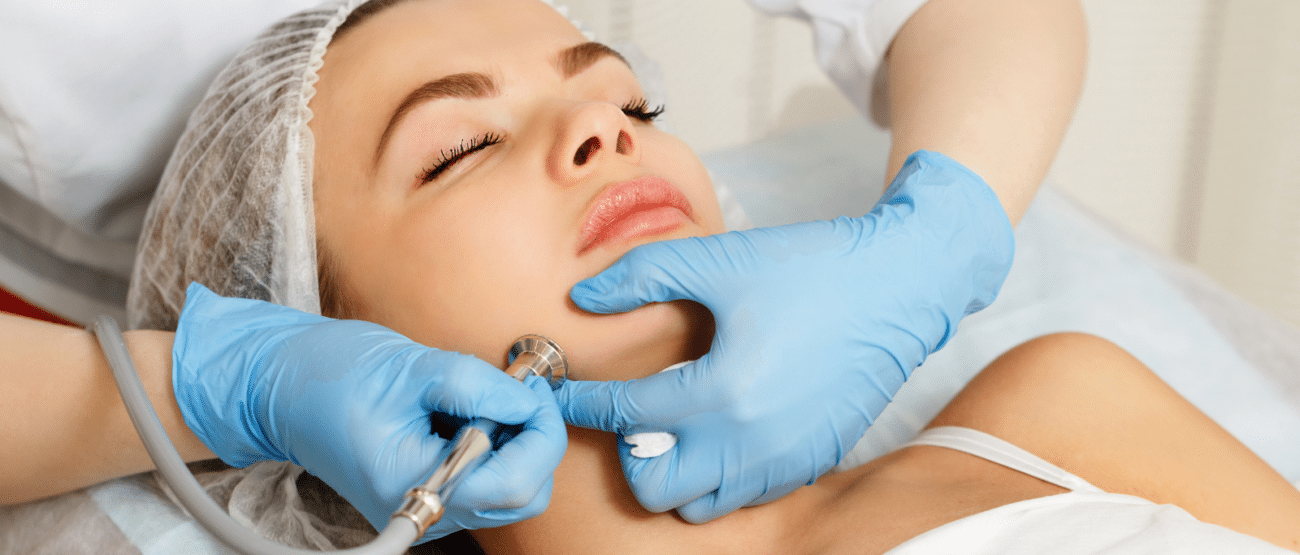
A monthly Hydrafacial treatment or medifacial treatment helps clear out pores, control oil, and keep your skin balanced through the humid months.
Acne Isn’t the Only Monsoon Skin Concern
While breakouts tend to dominate this season, monsoon also brings irritation and sensitivity for many. If your skin reacts easily to humidity, sweat, or product changes, take a look at our guide on Sensitive Skincare Tips for Maintaining Balance and Preventing Irritation. And if hair fall has crept up alongside your skin troubles, our blog on monsoon hair fall tips covers that too.
When Should You See a Dermatologist?
A few isolated pimples are normal and usually resolve on their own. But if you’re noticing frequent, painful, or cystic breakouts, spreading acne, or marks that aren’t fading, it’s time for a professional consultation. Self-treating persistent acne with random products often makes things worse before they get better.
At Adore Skin Clinic, Andheri, Dr. Madhavi Valvi offers in-depth consultations using US FDA-approved equipment to identify exactly what’s triggering your breakouts, whether it’s hormonal, fungal, or purely monsoon-related, and builds a treatment plan around that diagnosis.
Contact us to book your acne consultation with Adore Skin Clinic today and get ahead of monsoon breakouts before they spread.
Frequently Asked Questions
Humidity increases oil production, traps sweat against the skin, and creates a damp environment where acne-causing bacteria thrive, leading to more frequent breakouts during monsoon.
Not always. Some monsoon breakouts are typical bacterial acne, while others are fungal acne caused by yeast overgrowth in humid, damp conditions — and they require different treatments.
Cleanse twice daily, switch to lightweight oil-free moisturizers, avoid heavy makeup, keep your skin dry, and maintain a balanced diet low in fried and oily foods.
Yes, high humidity stimulates excess sebum production and slows sweat evaporation, both of which clog pores and contribute directly to acne breakouts.
Yes, rainwater picks up pollutants and bacteria from the air and surfaces, and if left on the skin, it can clog pores and trigger breakouts or irritation.
Fungal acne is caused by yeast overgrowth in hair follicles, often appearing as small, itchy, uniform bumps, unlike typical acne which varies in size and is usually bacterial.
Yes, switching to lighter, oil-free, non-comedogenic products during monsoon helps prevent the clogged pores that heavier products can cause in humid weather.
Yes, fried and sugary comfort foods common during monsoon can spike insulin and inflammation levels, which often worsens acne breakouts.
Yes, monsoon-related disrupted sleep and increased stress raise cortisol levels, which is a known trigger for hormonal acne flare-ups.
With a consistent skincare routine, mild monsoon acne can improve within 2-4 weeks, though persistent or cystic acne may need professional treatment for faster results.
Yes, sunscreen is essential even with active acne, as unprotected sun exposure during monsoon can worsen post-acne pigmentation and dark spots.
Ingredients like salicylic acid, niacinamide, and benzoyl peroxide help control oil, unclog pores, and reduce inflammation, making them effective for monsoon acne.
If left untreated or picked at, monsoon breakouts can leave lasting scars or pigmentation, which is why early treatment and avoiding picking are important.
Yes, dermatologist-administered chemical peels are safe and effective for acne-prone skin, helping unclog pores and reduce breakouts when done under professional supervision.
If breakouts are painful, cystic, spreading, or not improving with home care after 2-3 weeks, it's best to consult a dermatologist for proper diagnosis and treatment.